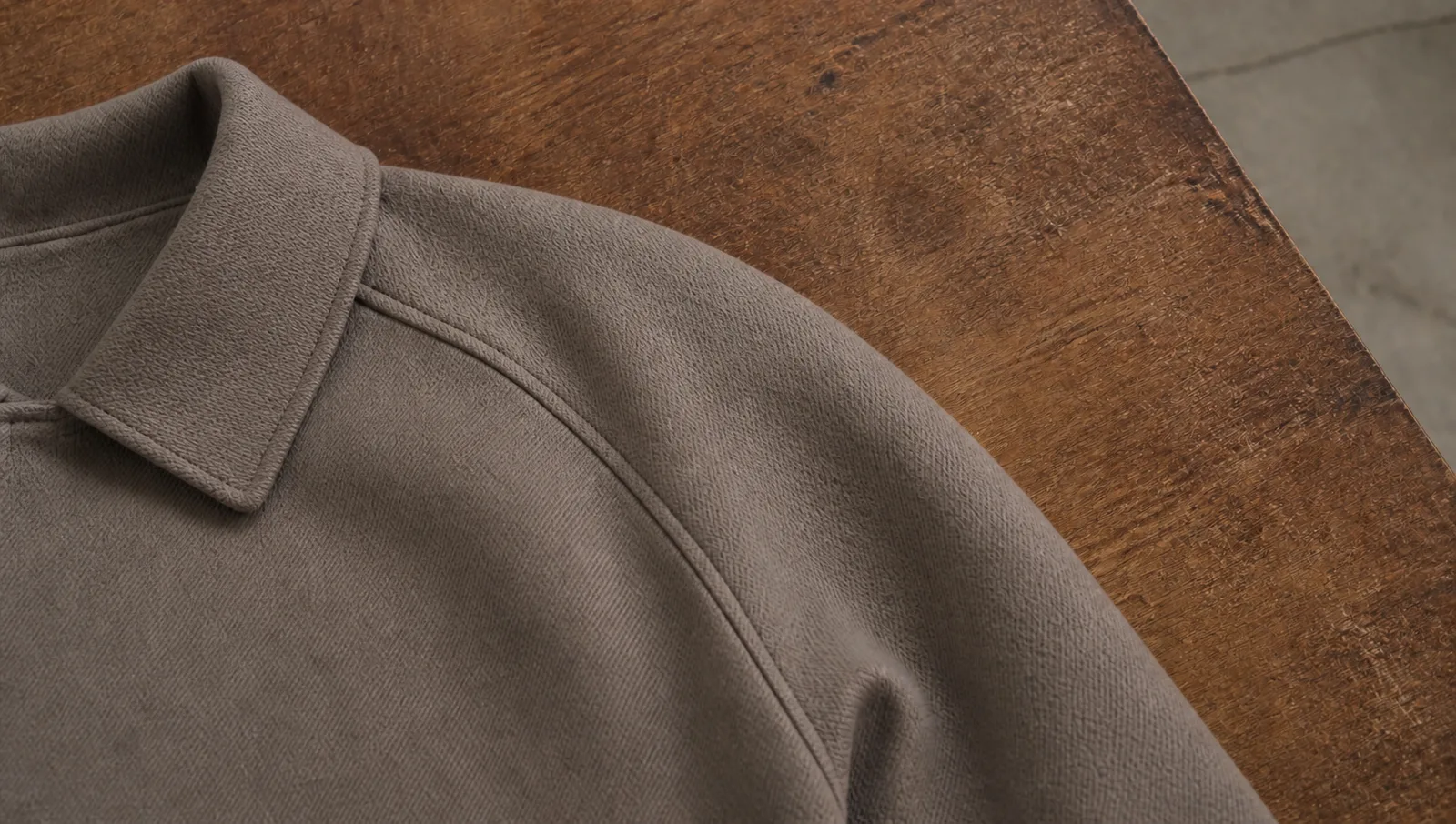
Product Matching
Every garment matched to its true rivals, like for like, not keyword for keyword. Nothing else works until this does.
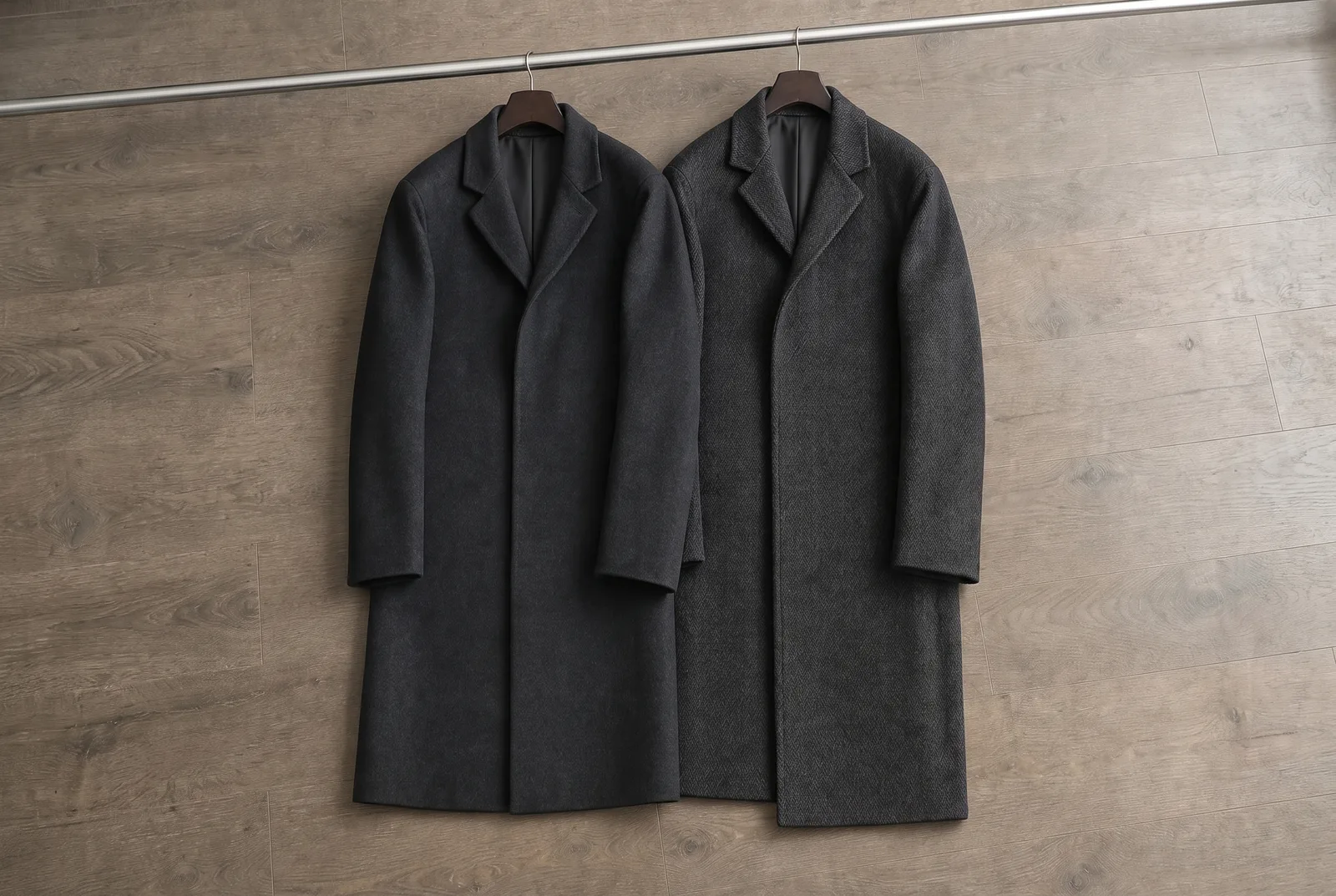
IDENTITY, NOT CATEGORY.
The same coat, under another name
Two retailers sell the same silhouette in the same fabric at the same weight. One calls it an overshirt, the other a shacket, and they share no code, no supplier reference and no identifier of any kind. Deciding those are the same garment is a different problem from deciding what kind of garment it is, and it is the one everything else depends on.

MULTIMODAL EMBEDDINGS, NOT TWO SYSTEMS BOLTED TOGETHER.
The picture and the words, in one space
The photograph carries what the description leaves out, and the description carries what the photograph cannot show: the fabric weight, the fit, the intended season. Coord embeds both into a single shared space, so a garment is represented by everything known about it at once rather than matched twice and reconciled afterwards.
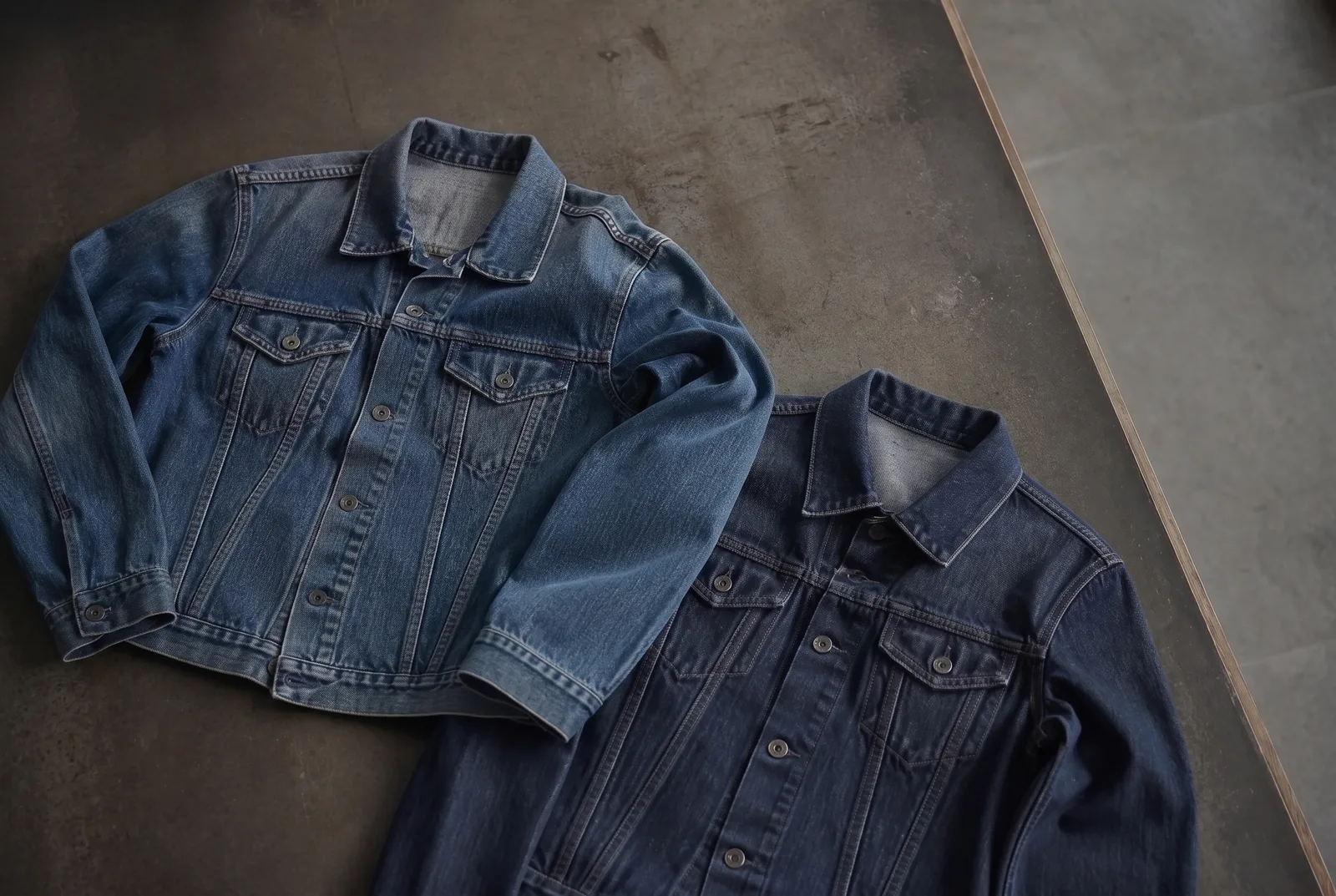
THE DISTINCTIONS THAT MATTER ARE SMALL.
A general model sees clothing; ours sees the cut
A general purpose model will happily tell you two black dresses are similar. The trade needs to know that one is a bias cut slip and the other a structured shift, that this is a crew and that a mock neck, that these two blues are a season apart. Coord's models are trained on fashion specifically, because in this category the difference between similar and the same is exactly the detail a general model discards.

THREE DIFFERENT ANSWERS, AND THEY ARE NOT INTERCHANGEABLE.
Identical, equivalent, or merely adjacent
The same product stocked by a competitor is not the same thing as their answer to it, and neither is a garment that merely sits in the same category. Coord separates the three, because a price comparison wants the first, a range gap wants the second, and treating one as the other is how a competitive set quietly stops meaning anything.
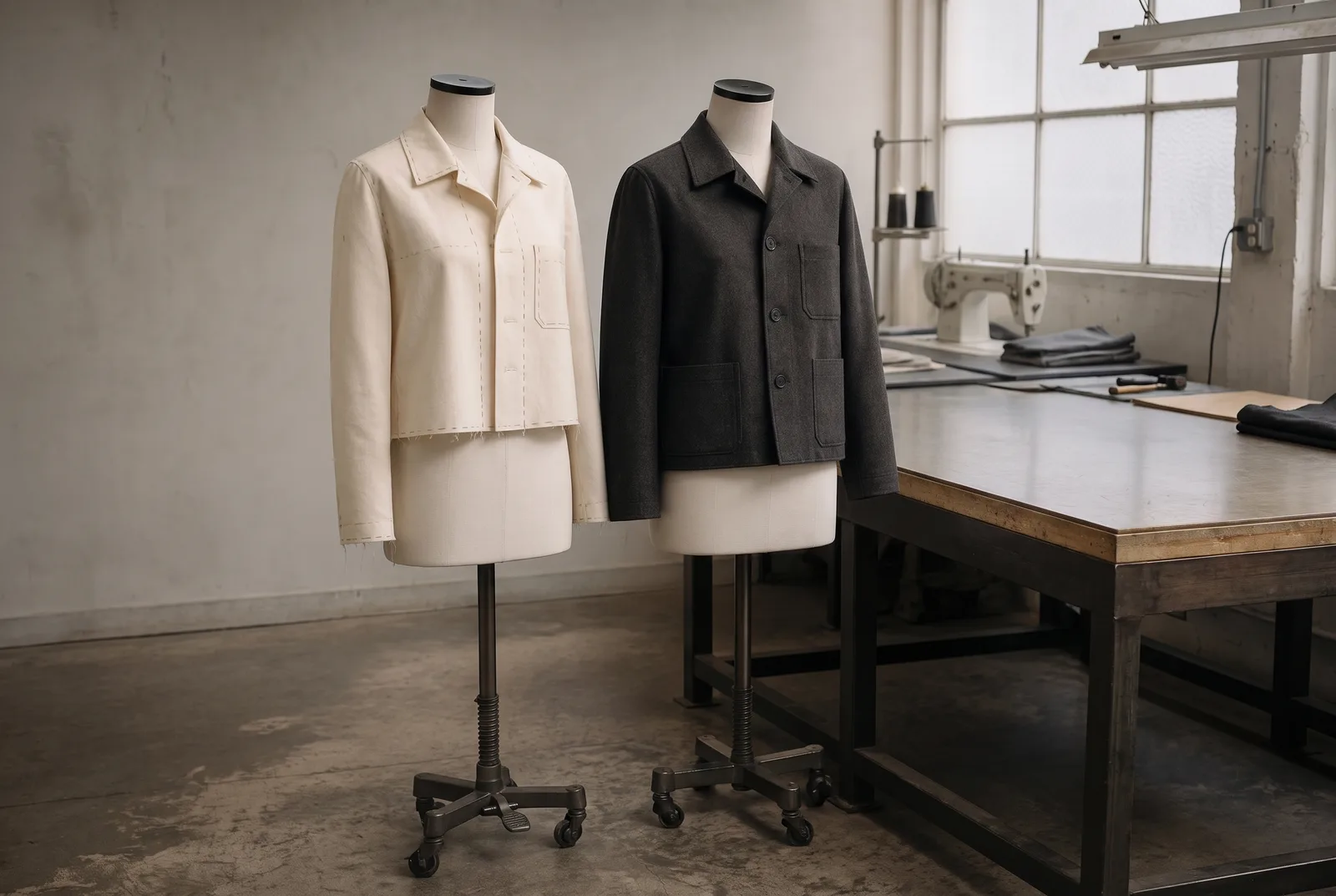
ONE BAD MATCH DOES NOT STAY ONE BAD MATCH.
Everything downstream inherits this
A wrong match puts a competitor's coat in your price comparison, their category in your range gap, and their colour in your trend line. The error does not announce itself. It arrives as a number that looks reasonable. Matching is the foundation the rest of Coord stands on, which is why it is a capability rather than a step.
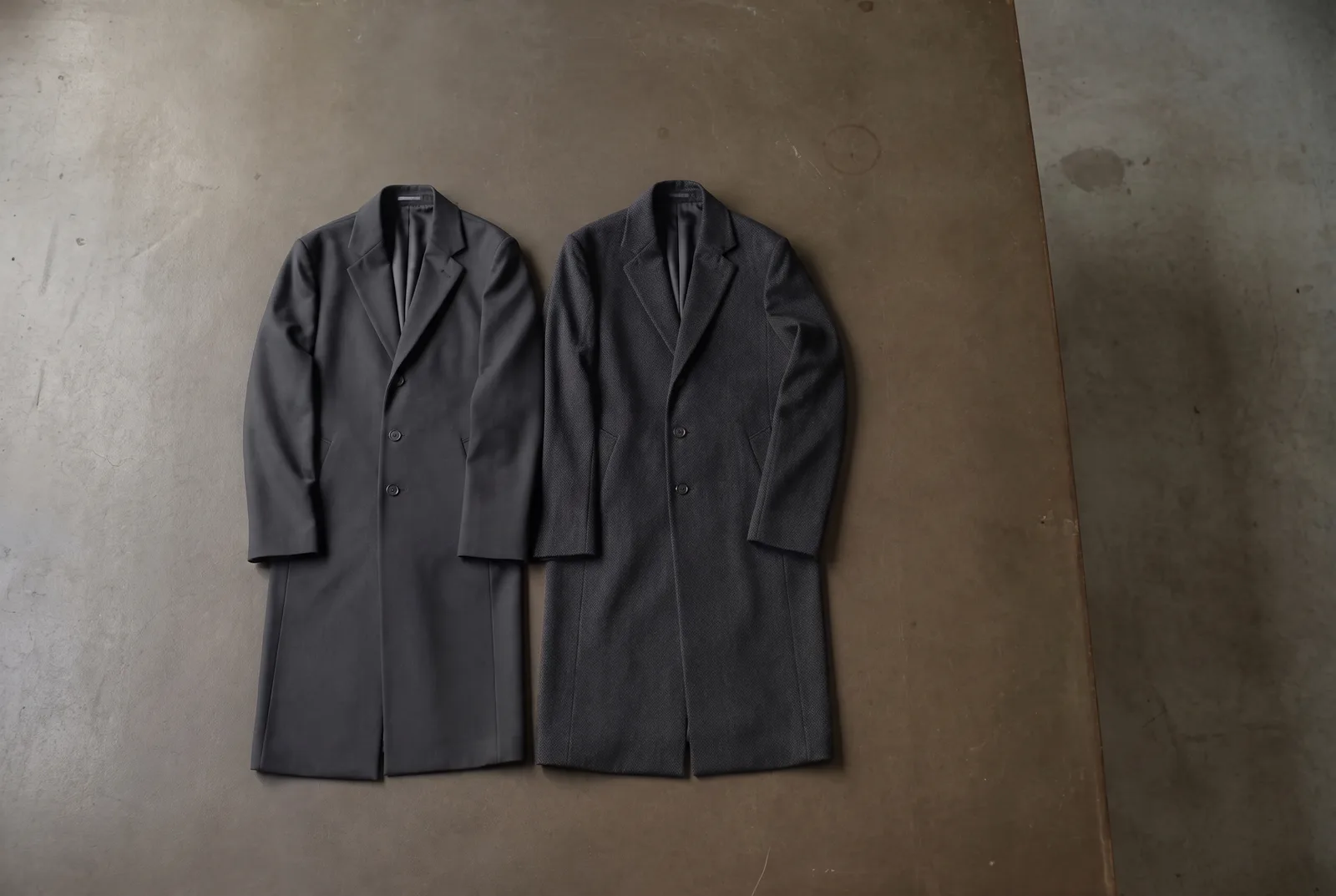
SCORED, EXPLAINED, AND CORRECTABLE.
Every match shows its working
Each match carries a confidence score and what drove it, so a merchandiser can see why two garments were paired rather than take it on faith. Where the model is wrong, the correction is yours to make, and it is kept, so the same mistake is not made again next week.
Matched on the garment, scored, and yours to overrule.
Retailers share no identifier, no vocabulary and no way of photographing the same thing twice. Coord matches on what the garment is, the image and the description read together by models trained on fashion, and shows its reasoning, because a match you cannot check is a number you cannot use.
Method
Fashion trained multimodal models embed the image and the text into one shared space. Matching is on the garment, not on titles, codes or keywords.
Match types
Identical, equivalent and adjacent are held as distinct relationships. Nothing is flattened into a single notion of similar.
Confidence
Every match carries a score and the attributes behind it. A match nobody can interrogate is a match nobody should rely on.
Correction
A match you reject stays rejected, and one you confirm stays confirmed. Your team's judgement outranks the model's and is retained.
Your set
The pairings you build and correct are yours. They are never shared with another customer, pooled, or used to train a model.
See your range matched to the market.
A live walkthrough on your own products: who is carrying the same garment, who is carrying the answer to it, and how each call was made.